Garden Clearance in Hornsey
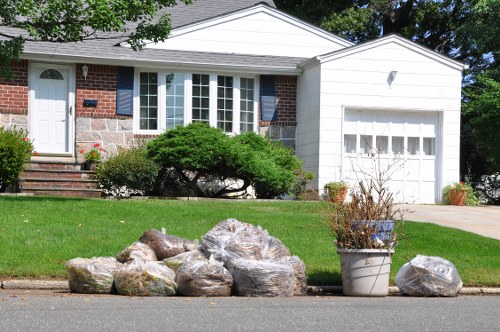
Our garden clearance in Hornsey is arranged for outdoor spaces that need a careful, practical tidy-up rather than a rushed sweep-through. We clear green waste, broken garden contents and general outdoor clutter, then separate what can be reused, recycled or taken for responsible disposal. The service is suited to front gardens, back gardens, shared courtyards and overgrown plots where the work needs a tidy finish and sensible handling of mixed materials.
We deal with seasonal cuttings, branches, roots, soil-filled bags, old pots, damaged furniture and other garden-side items that are no longer useful. If the job also includes bulky pieces from a shed or patio area, we can keep the removal organised so that the space is left easier to use. For many customers, the main aim is simple: clear the outdoor area properly and remove the hassle of sorting the waste themselves.
Because garden clearances vary so much, the right approach depends on access, the amount to be removed and the mix of materials involved. A light tidy after pruning is very different from a long-neglected space with dense vegetation and old outdoor fixtures. Our work is planned around what is actually on site, so the collection can be matched to the load, the lifting involved and the disposal route needed for each type of material.
What our garden clearance covers

We clear common garden waste such as branches, hedge cuttings, leaves, weeds, turf, soil, compost, broken planters and old fencing components where appropriate. The service can also include dismantled outdoor items that have reached the end of their life, provided they can be safely removed and loaded. Rather than treating everything as the same waste stream, we sort the load so recyclable garden material is handled separately from mixed rubbish where that is practical.
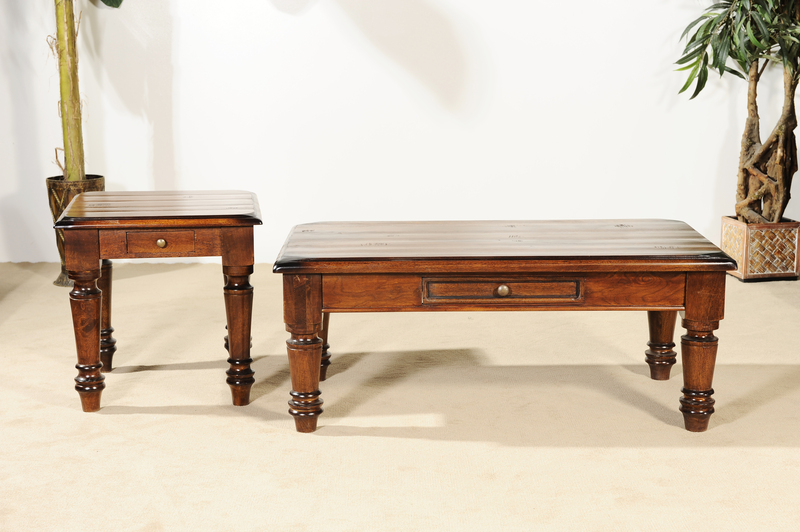
Alongside green waste, many clearances involve a mixture of outdoor odds and ends: cracked decking boards, damaged trellis, pots, broken tools, plant stands, children’s outdoor toys and furniture that no longer belongs outside. In those cases, the work is often about restoring order as much as removing waste. If you are deciding what to keep, a quick rule is to group items into reusable, recyclable and ready to go piles before the team arrives.
Typical outdoor items and materials
Garden clearance can be straightforward when the load is mostly green waste, but it becomes more involved when the space holds mixed materials. A careful approach helps because some items can be processed differently from others. The usual categories include:
- branches, trimmings, hedge cuttings and other green waste
- soil, turf, plants and roots where they can be removed safely
- old pots, trays, planters and general garden accessories
- small outdoor furniture items and worn fixtures
- mixed rubbish collected from sheds, patios or borders
Where a clearance includes both garden waste and household-style rubbish, separating the two makes loading tidier and disposal more efficient. That can matter on jobs where the space is cramped or access is awkward, because a clear plan reduces unnecessary handling. It also helps to decide early whether any items should be retained for reuse, composting or repair rather than put into the general load.
Clearing overgrown and awkward spaces

Some gardens need more than a basic collection because vegetation, brambles or accumulated waste make the area hard to reach. In those situations, the work may involve lifting heavy bags, cutting back the worst material enough to access the load and removing items from narrow side passages or split-level plots. The aim is not to change the garden layout, but to make it possible to clear it methodically and safely.
We also handle jobs where items are tucked behind sheds, under bushes or beside fences and have been left for some time. Those clearances often require patient sorting because the useful route in and out may be limited. If the site includes a combination of loose waste, broken materials and heavier pieces, it helps to remove the obstacles first so the rest of the work can be completed without repeated backtracking or unnecessary disturbance.
For customers comparing options, the key question is usually whether the service will remove only the visible surface waste or deal with the deeper build-up as well. Our approach is to work through the material in a sensible order: first the items that block access, then the bulkier waste, then the smaller debris. That makes the final result more consistent and reduces the chance that loose material is left behind.
Preparing a garden clearance quotation

Pricing for clearance work is usually shaped by the volume of waste, the type of material, how easy it is to reach and whether any items need extra handling. A pile of light cuttings is not the same as a space filled with soil bags, timber offcuts and bulky outdoor furniture. When a quotation is prepared properly, it reflects the actual work involved rather than a rough guess based on the garden size alone.
To help the process run smoothly, it is useful to describe what needs removing, where it is located and whether there are any access points that are tight, stepped or shared. If there are items you want to keep, separate them before the clearance begins so they are not mixed into the load. This saves time and avoids confusion, especially where the garden contains a blend of household items and outdoor waste.
If the job has several parts, such as a side return, rear garden and shed area, it can help to list them in order from easiest to hardest to reach. That gives a clearer picture of the work and reduces the chance of surprises on the day. Useful details are always better than vague estimates, because they let the arrangement reflect the real shape of the clearance rather than an average scenario.
Garden waste, recycling and responsible disposal
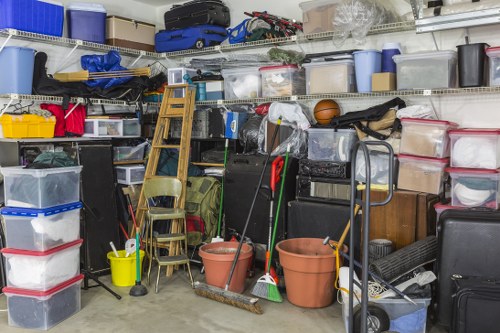
Responsible disposal is an important part of any garden clearance because not everything from an outdoor space should be treated in the same way. Green waste such as cuttings, grass and leaves may be handled differently from mixed rubbish, timber, plastics or damaged household items. Our work is set up to keep those streams organised where possible, so reusable and recyclable material is separated from the final disposal load.
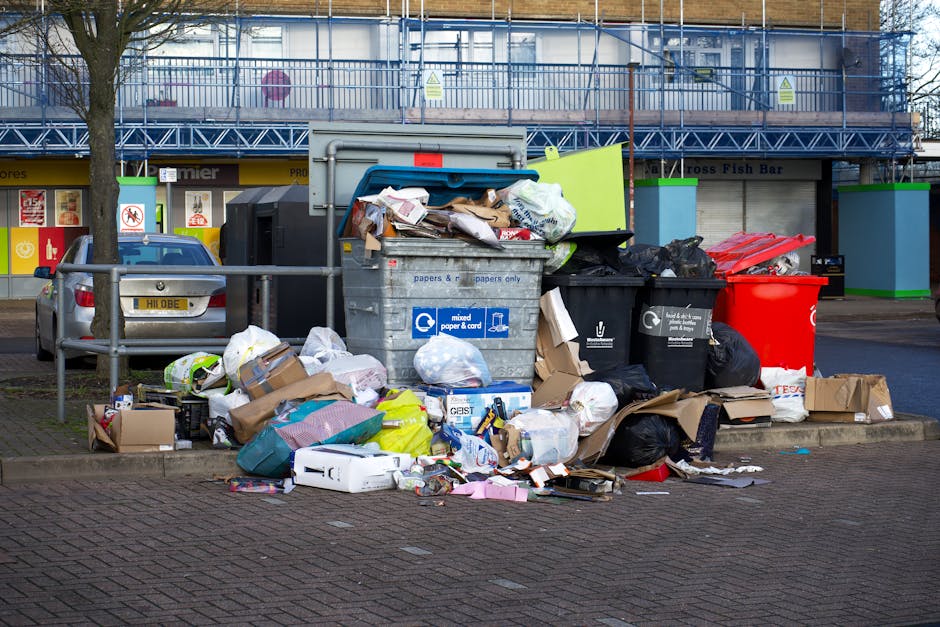
That approach is especially useful when a garden has been used as overflow storage for broken furniture, packaging, old plant pots and general debris. Sorting the material first makes the finished clearance tidier and gives a clearer route for handling each part of the job. It also means the space is not just emptied quickly, but cleared in a way that makes practical sense for the contents found there.
Customers often want the outdoor area ready for planting, maintenance or a fresh layout once the waste is gone. A careful clearance helps with that by removing loose material, bulky obstacles and leftover garden debris together. If you are planning work afterwards, it is usually best to complete the clearance first so the remaining space can be assessed without clutter in the way.
Hornsey and its local setting
Hornsey is a district in the London Borough of Haringey in North London, positioned between Crouch End, Muswell Hill, Wood Green and Harringay. Its name is rooted in medieval history, and the area retains a layered character shaped by village origins, later suburban growth and the transport links that connected it more closely to central London. Hornsey High Street, with its varied buildings and long-established street pattern, reflects that mix of older settlement and later urban development. Within the wider district, the presence of residential roads, local shops and public spaces gives Hornsey a lived-in character rather than a single uniform centre.
One of the best-known local landmarks is Hornsey Town Hall, a celebrated modernist building completed in 1935 and now widely recognised for its architectural interest. Nearby, the area benefits from open green spaces such as Priory Park and Alexandra Palace and Park is not far away, offering a contrast between built streets and larger landscape settings. The route of the Parkland Walk, which follows a former railway line, also adds to the local geography and provides a distinctive linear green corridor through this part of north London. Together, these elements give Hornsey a strong sense of scale, history and everyday variety.
Hornsey has also long been shaped by movement and connection. Hornsey railway station links the area into the wider network, while local roads and bus routes connect it to neighbouring districts and central London. That combination of rail access, established housing and nearby green space has helped the area retain its residential appeal while still feeling closely tied to the wider city. The result is a neighbourhood with visible layers of change: historic references, mid-twentieth-century architecture and contemporary urban life all sit side by side.
How we approach each clearance
Every garden clearance benefits from a clear sequence of work. First comes a look at the main piles, access route and heavier pieces, then the load is broken down into manageable groups. That keeps the process organised and helps prevent lighter waste being crushed under bulkier items. It also matters when the garden contains a mix of dry material, soil and awkward objects, because each type is easier to handle when it is not being moved in the wrong order.
We aim to work in a way that is practical for the site rather than forcing the same routine onto every job. A small tidy may need little more than swift collection and loading, while a larger clearance can involve careful lifting, sorting and checking through corners that have been used for storage. The benefit of this approach is that the garden is left in a cleaner state without unnecessary disturbance to the rest of the property.
When planning the job, it helps to think about what outcome you want beyond simple removal. Some customers want to regain access to a path or patio, while others want to make a border ready for replanting or remove old clutter before landscaping work begins. Plain, accurate instructions are usually enough to guide the clearance, so there is no need to overcomplicate the request.
Useful preparation before we arrive

There are only a few things worth doing before a garden clearance, and they are mostly about clarity rather than effort. If you can, keep any items that are staying in the garden well away from the clearance area, and separate objects that definitely need to go. It also helps to mention any gates, narrow side access, uneven ground or shared entrances, because those details affect how the load can be moved. A brief description is usually enough to avoid confusion.
If you have mixed materials, a simple photo set can help show how much is present and whether the waste is concentrated in one spot or spread through the garden. That is particularly useful where the space includes both green waste and heavier items such as timber, metal or old furniture. Good preparation is not about making the job look tidy before it starts; it is about giving a clear picture so the clearance can be arranged sensibly.
For many customers the decision comes down to timing. If the garden is being cleared ahead of another trade, a family event or a seasonal tidy, it is worth planning the removal so the space is usable again when needed. Keep the request simple, explain the main contents and note any access issues, and the quotation can be based on the work that genuinely needs doing.
Other outdoor clearance needs
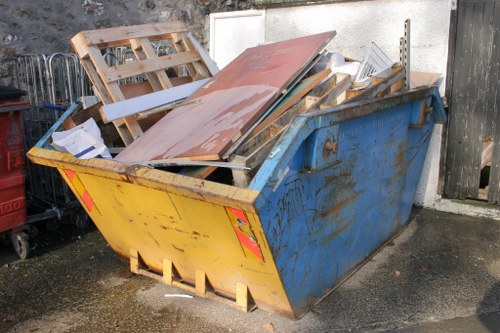
Garden clearance sometimes overlaps with other outdoor or storage-related work, especially when a property has accumulated items in a shed, garage or side return. In those cases, it can be more efficient to deal with the linked areas together rather than splitting the job into separate visits. We can remove items from outdoor storage spaces, tidy mixed clutter and separate what belongs in the garden waste stream from what needs a different disposal route.
Garage clearance can be a sensible follow-on when the clutter has spread beyond the garden itself, while a dedicated garden clearance remains the main choice when the work is focused on outdoor waste and overgrown materials. If the property contains bulky household items as well as garden debris, combining the work can save duplication in lifting and sorting. The aim is always to keep the removal clear and orderly from the start.
Where a customer is looking at a wider house move, renovation or decluttering project, it may also help to compare related service pages and decide which area needs the most urgent attention. A good clearance plan makes it easier to decide whether the job is mainly green waste, mixed rubbish or a broader property tidy. Start with the area that is causing the most obstruction, then build the rest of the request around that.
Next steps for your quotation
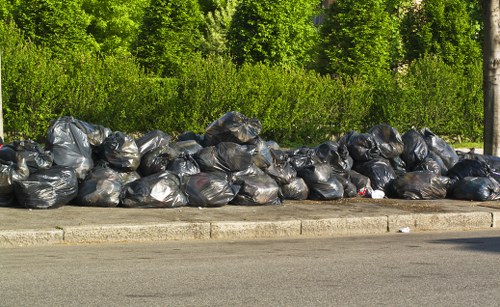
When you are ready to move forward, a clear enquiry saves time on both sides. Tell us what is being removed, whether the items are mainly green waste or mixed materials, and how easy it is to reach the garden. If there are photographs, they can support the description, but they do not need to be perfect; the point is simply to give a fair picture of the job so the quotation reflects the real workload.
It also helps to mention whether the clearance is a one-off tidy or part of a larger plan for the property. That way, the work can be organised around the space you want to recover, the amount of waste on site and any awkward access. If you are comparing several approaches, focus on which option gives the cleanest, most practical result for the outdoor area rather than the quickest sounding promise.
For a straightforward request, send the main details and ask for a quotation for Garden Clearance Hornsey enquiries. If you would like to compare related service information first, you can also review our pricing and quotes page before getting in touch. We are ready to help when you want the garden cleared properly and the next step arranged with confidence.
Related clearance services
If your outdoor work is part of a broader property clearance, it can be useful to look at nearby service options as well. Our home clearance and house clearance pages cover wider internal clearances, while flat clearance is useful where access and shared spaces are part of the arrangement. The right choice depends on whether the job is focused on the garden alone or involves more of the property.
For specific bulky items, the relevant page can give a clearer sense of scope. Furniture clearance and furniture disposal are helpful where the garden contains old outdoor seating or mixed furnishings, while waste removal is the broader option for general loads. If the waste has come from building work rather than routine garden maintenance, builders waste clearance may be more suitable.
Some customers also need supporting information before they decide how to proceed. Recycling and sustainability explains our approach to material handling, and insurance and safety outlines practical arrangements linked to safe working. If you are checking service terms, terms and conditions and payment and security are available to review. These pages can help you match the right service to the right type of clearance.