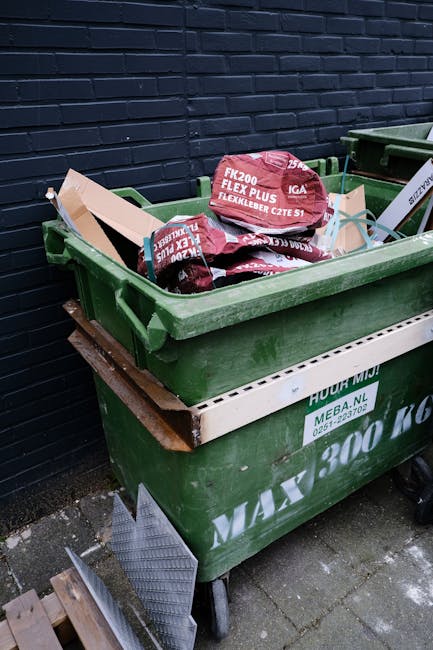
Hornsey Station rubbish removal tips for flats and HMOs

If you live in a flat near Hornsey Station, or manage an HMO where the bin area seems to fill up faster than you can clear it, you already know the problem. Bags pile up. Furniture gets left in hallways. Someone "meant to take it down" and then didn't. Before long, rubbish removal becomes less of a chore and more of a weekly fire drill. These Hornsey Station rubbish removal tips for flats and HMOs are designed to make that situation more manageable, safer, and a lot less stressful.
This guide focuses on the real-world issues that come with shared homes and apartment blocks: narrow stairwells, awkward access, mixed waste, resident coordination, and avoiding fly-tipping headaches. You'll find practical steps, common mistakes, compliance pointers, and a clear sense of when a professional clearance makes more sense than trying to do it all yourselves. Truth be told, the difference is often in the planning.
Why Hornsey Station rubbish removal tips for flats and HMOs matters
Flats and HMOs run on shared space. That's the whole challenge and, to be fair, the whole opportunity too. If waste handling is organised well, the building feels calmer, cleaner, and easier to live in. If it's not, you get clutter in communal areas, missed collections, bad smells in warm weather, and that awkward "who left this here?" energy that nobody enjoys.
Near Hornsey Station, a lot of properties deal with limited frontage, busy roads, and residents with different schedules. One tenant might work nights, another might be away for the weekend, and someone else may simply assume the landlord or cleaner will sort everything out. That's how small rubbish problems turn into big ones. A good rubbish removal plan helps you stay ahead of the mess instead of reacting to it after the fact.
It also matters because waste in flats and HMOs is rarely just black bags. You may have old mattresses, broken wardrobes, bagged clothes, cardboard from deliveries, small appliances, renovation offcuts, or end-of-tenancy leftovers. That mix is where many people go wrong. They treat everything as "just rubbish" when different items need different handling. A little sorting now can save a lot of time later.
If the clutter has already started to spread, services such as flat clearance and general waste removal can be useful starting points, especially where a shared building needs a quick reset rather than a slow tidy-up.
How Hornsey Station rubbish removal tips for flats and HMOs works
At a simple level, rubbish removal in a flat or HMO works in three phases: identify the waste, plan the access, and remove it without disrupting residents or damaging the building. Sounds obvious. In practice, the details matter more than people expect.
First, work out what is actually there. Is it mostly bagged household waste? Is there bulky furniture? Are there mixed materials like cardboard, metal, wood, textiles, and a few mystery items shoved behind a door? The more specific you are, the easier everything becomes. A quick photo audit is often enough for a quote or an internal plan.
Next comes access. Flats and HMOs can be tricky because of stairs, narrow hallways, shared entrances, parking restrictions, loading points, and resident traffic. A clearance team needs to know whether they can park close by, how many flights of stairs are involved, whether lifts are available, and whether building rules require a specific time window. Miss that part and the job gets slower. Sometimes a lot slower.
Finally, there is disposal. Responsible removal means waste should be sorted and taken to the right facility or channel. Reusable items may be separated, recyclable material diverted where possible, and general rubbish handled appropriately. If the clearance includes old sofas, broken tables, or other bulky pieces, consider whether furniture disposal or furniture clearance is a better fit than treating everything as a mixed load.
One thing people often underestimate: timing. In a shared building, a 20-minute job can become a 50-minute job if residents are moving in and out, bags are not ready, or items are spread across multiple floors. Planning buys you calm. Calm saves money. It's annoyingly simple, but true.
Key benefits and practical advantages
A well-managed rubbish removal plan does more than create a tidy entrance hall. It improves the feel of the whole building. You notice it immediately when you walk in: fewer odours, clearer walkways, less tension around bins, and less risk of complaints from residents or neighbours.
- Better shared living conditions: Communal spaces stay usable and less stressful.
- Reduced safety risk: Clear corridors and landings lower the chance of trips, blocked exits, and awkward lifting injuries.
- More efficient turnover: Ideal for end-of-tenancy clear-outs, re-lets, and student changes.
- Less resident conflict: When waste is handled clearly, there is less arguing over who dumped what.
- Cleaner presentation: Important for landlords, letting agents, and property managers who want the place to feel looked after.
There's also a practical cost angle. If rubbish is left too long, it tends to grow. One abandoned chair becomes two chairs, then a bin bag mountain, then cardboard wedged by the stair rail. Once that happens, the clearance takes longer and the access gets worse. In short, the mess starts charging interest.
For mixed-use properties or homes with a lot of resident turnover, it can help to pair a one-off clearance with a more routine approach to business waste removal style collection planning, especially where the property manager handles small operational waste too.
Who this is for and when it makes sense
This kind of rubbish removal guidance is useful for more people than you might think. It is not only for landlords with large portfolios. It matters for anyone responsible for a shared property, especially where waste issues have started to affect day-to-day living.
- Landlords: Useful between tenancies, after tenant damage, or when a flat has been left with bulky items.
- HMO managers: Essential where multiple residents create varied waste streams and shared bin confusion.
- Letting agents: Helpful when preparing a property for viewings, inspections, or new occupants.
- Residents: Handy when your building's bin store is full, blocked, or misused by neighbours.
- Student housing operators: Particularly relevant around move-in and move-out periods.
It makes sense when the issue is more than a single bin bag or two. If you are dealing with bulky furniture, abandoned household items, mixed waste in communal areas, or a flat that needs a proper emptying, then a structured clearance approach is usually worth it. If the job is bigger than a casual tidy but smaller than a full house clearance, that's often the sweet spot.
And if you are comparing options, don't overlook related services like home clearance or house clearance if the property is more extensive than a single flat. The right fit depends on the scope, not the label.
Step-by-step guidance
If you want this to go smoothly, start with a simple, repeatable process. You do not need a complicated system. You need one that people will actually follow on a tired Tuesday evening when the lift is busy and everybody wants to get on with their day.
- Survey the waste properly. Walk the building and list what needs removing. Separate bagged rubbish, cardboard, furniture, electrical items, and anything that might need special handling.
- Check access and timing. Note stair counts, lift availability, parking spaces, and any building rules. In shared blocks, this is half the battle.
- Keep residents informed. Put up a clear notice or send a short message explaining what is being removed, when it will happen, and what people should not leave out.
- Group similar items together. Put cardboard with cardboard, furniture with furniture, and loose waste in secure bags. This speeds up loading and reduces mistakes.
- Protect communal areas. Use covers or simple precautions if bulky items are being carried through narrow corridors or around corners.
- Confirm disposal needs. Check whether any items are reusable, recyclable, or need separate handling. A mixed pile can turn into a messy pile very quickly.
- Book the right service level. For heavier loads, consider a dedicated waste removal visit or a more targeted clearance service.
A useful habit is to do a "last look" ten minutes before the team arrives. That's when you catch the odd forgotten stool, the bag nobody mentioned, or the bit of broken shelving behind a door. Small stuff, but it matters.
For properties with a lot of furniture leaving at once, it can be worth looking at furniture clearance as a standalone step rather than trying to squeeze it into a general tidy-up.
Expert tips for better results
The best rubbish removal jobs are rarely the ones with the fanciest equipment. They are the ones that are clearly prepared. Here are a few tips that tend to make the biggest difference.
- Label problem areas early. If a cupboard, cellar, or bin store is always the trouble spot, mark it before the pile spreads.
- Use a staging point. If the building allows it, gather items in one safe area before removal day. It saves endless back-and-forth.
- Do not mix waste types unnecessarily. Mixed loads are harder to handle, slower to remove, and often more awkward to sort.
- Think about neighbours. Hornsey Station is a busy area, and people notice when hallways are blocked. Keep noise and obstruction to a minimum.
- Plan for weather. A damp morning can make cardboard heavy and slippery. Wet bags are no one's favourite surprise.
- Keep receipts and records. Landlords and managing agents often need a paper trail for what was removed and when.
One slightly underrated tip: if the building has recurring furniture problems, make a standing plan for disposal rather than treating each incident as a one-off emergency. That approach is calmer, cheaper in the long run, and much less chaotic.
It can also help to review the provider's standards around health and safety and insurance and safety. Not glamorous, I know. Still very useful when items need carrying through shared spaces.
Common mistakes to avoid
A lot of rubbish removal problems in flats and HMOs come from simple oversights, not major disasters. The good news is that most of them are avoidable. The less good news is that they tend to repeat unless someone takes charge.
- Leaving items in corridors "just for a bit." That usually becomes a day, then a week. Not ideal.
- Assuming all waste can go out together. Some items need separate handling or are more suitable for specific disposal routes.
- Ignoring access restrictions. A job that looks simple on paper can become difficult if parking or loading is not checked.
- Not telling residents in advance. This leads to blocked shared areas and avoidable complaints.
- Underestimating the volume. The pile always looks smaller from the doorway. Always.
- Forgetting reusable items. A serviceable chair or table may be better handled through a furniture-focused route instead of being treated as ordinary rubbish.
There is also the classic mistake of trying to solve a building-wide waste issue with one or two bin bags and a bit of optimism. Nice idea, but usually not enough. If the amount of waste keeps coming back, the process needs tightening rather than just repeating.
Tools, resources and recommendations
You do not need a lot of fancy kit, but a few practical tools make life easier. For smaller shared properties, a basic management approach is often enough. For bigger HMOs, a more structured setup helps a lot.
- Checklist or inspection sheet: Useful for weekly bin checks, end-of-tenancy clearances, and room turnover.
- Strong refuse sacks: Especially important if waste is being moved down stairs or across a courtyard.
- Labels and tape: Handy for separating items and marking anything fragile or reusable.
- Photo log: Simple before-and-after images help with record keeping and tenant communication.
- Storage bins or cages: Good for keeping cardboard and recyclable material from spreading into communal areas.
For bigger jobs, it may be worth looking at provider pages like pricing and quotes so you can understand what affects the overall cost. In broad terms, access, weight, waste type, and labour time all matter. That is usually where the numbers shift.
If you want to understand the company side a little better before booking, about us can help give context about how the service is run, while recycling and sustainability is useful if you care about what happens after the waste leaves the building. Most people do, once they think about it for a minute.
Law, compliance, standards and best practice
When you are dealing with rubbish removal in flats and HMOs, compliance is not just a paperwork issue. It is about doing things properly so the building stays safe, residents are not inconvenienced, and waste ends up in the right place. You do not need to become a legal expert, but you do need to be careful.
In the UK, waste should be handled by responsible carriers and taken to appropriate disposal or recycling facilities. Landlords, managing agents, and business operators should keep in mind that fly-tipping, blocked fire exits, and poor waste storage can create avoidable problems. If you are unsure how a particular item should be treated, it is better to ask than to guess.
For HMOs, best practice usually means clear waste rules, regular collection checks, and a simple process for bulky items. That can include a resident notice system, a room-clearance procedure at move-out, and a named person who checks communal bin areas. Nothing grand. Just consistent.
Safety matters too. Shared hallways, stairwells, and entrances should remain clear during clearance work. Heavy lifting should be planned, not improvised. If access is awkward or items are especially bulky, a professional team with the right approach is usually the sensible choice. It's one of those jobs where looking efficient matters less than actually being safe.
If the waste is connected to commercial activity, for example small offices within mixed-use premises, then it can also be worth reviewing office clearance and related operational handling so everything is disposed of in a clean, structured way.
Options and comparison table
There is no single correct way to handle rubbish removal in a flat or HMO. The right approach depends on volume, access, urgency, and whether you are dealing with regular waste or a one-off clear-out.
| Option | Best for | Pros | Watch out for |
|---|---|---|---|
| Resident-led bin sorting | Small, routine waste | Low-cost, simple, easy to maintain | Only works if everyone follows the rules |
| Bulky item pickup or targeted removal | Single large items or a few items | Good for sofas, beds, wardrobes, broken furniture | Needs access to be planned properly |
| Full flat or HMO clearance | End of tenancy, voids, major declutter, abandoned items | Fast reset, less stress, cleaner finish | More planning required, especially in shared buildings |
| Scheduled professional waste removal | Recurring issues, landlord-managed properties, busy HMOs | Reliable, structured, easier to manage over time | Needs a good agreement and clear expectations |
For many properties near Hornsey Station, the best answer is a mix of routine resident behaviour plus occasional professional help. That combination keeps the building sensible without turning management into a full-time rubbish expedition.
Case study or real-world example
Here's a typical scenario. A three-storey HMO near Hornsey Station has a ground-floor bin store that keeps filling with cardboard, bagged waste, and the occasional broken chair. Residents say they are "trying," but the storage area is cramped and nobody is fully sure what belongs where. The landlord is tired of receiving complaints about smell and blocked access.
The first step was a walk-through to separate regular waste from bulky items. Two old wardrobes, one sofa base, and several bags of mixed clutter had been left near the stairwell. The team arranged a clear removal window, let residents know in advance, and asked for the corridor to be kept clear for that hour. Simple enough, but very effective.
On the day, the bulky items were removed first, then the remaining waste was gathered from the bin store. The building felt different straight away. Less clutter, less odour, and less friction between residents. No magic. Just the right order of work.
What made it successful was not speed alone. It was the planning. The landlord also put a better weekly reminder system in place, so residents knew when to flatten cardboard and where not to dump mixed waste. A small change, but it stuck.
Practical checklist
Before arranging rubbish removal for a flat or HMO near Hornsey Station, run through this checklist. It keeps things honest.
- Identify all waste types: bagged rubbish, cardboard, furniture, electrical items, and anything unusual.
- Check access: stairs, lifts, parking, entry codes, and time restrictions.
- Tell residents or occupiers what is happening and when.
- Clear shared corridors, landings, and entrances before the removal starts.
- Separate reusable items from general waste where possible.
- Confirm whether you need flat clearance, furniture clearance, or general waste removal.
- Keep records of what was removed, especially for managed properties.
- Review bin storage and resident instructions after the job, so the issue does not return next week.
If you are still unsure what level of service fits best, it is usually better to err on the side of being slightly over-prepared. You can always scale down. Dealing with an overflowing hallway after the fact is a much less pleasant job.
Get a free quote today and see how much you can save.
Conclusion
Hornsey Station rubbish removal tips for flats and HMOs come down to a few core habits: sort waste early, plan access properly, communicate with residents, and choose the right removal method for the job in front of you. When those pieces line up, shared living spaces stay cleaner, safer, and far less tense.
Whether you are clearing one bulky sofa, resetting a cluttered flat, or getting an entire HMO back under control, the goal is the same: make the process simple enough that it actually gets done. And honestly, that is half the battle. A tidy entrance hall and a clear bin store can change the feel of a property more than people expect.
For responsible, well-organised support, you can also review contact us when you are ready to discuss the next step. Sometimes just talking it through is enough to get the plan moving.
Start small if you need to. But start.
Frequently Asked Questions
What is the best way to remove rubbish from a flat near Hornsey Station?
The best approach is to identify the waste first, check access carefully, and then use the right service for the job. Small amounts can be managed through routine bin use, but bulky items or mixed waste usually need a proper clearance plan.
How do HMOs stop rubbish building up in shared areas?
Clear resident instructions, regular checks, and a named person responsible for waste management usually make the biggest difference. A simple system works better than a complicated one nobody follows.
Can furniture be removed from a flat without damaging the communal hallway?
Yes, if the route is planned and the items are moved carefully. Measuring access points, protecting corners where needed, and removing the largest items first all help reduce the risk of damage.
Is flat clearance different from general waste removal?
Usually, yes. Flat clearance tends to suit larger, one-off clear-outs such as end-of-tenancy jobs or abandoned items. General waste removal is better for mixed rubbish or smaller recurring loads.
What should I do with broken furniture in an HMO?
Broken furniture should be separated from regular rubbish and handled through a suitable furniture disposal or clearance route. It is often awkward to carry and can block shared access if left too long.
How far in advance should I plan rubbish removal for a shared property?
As soon as you know the access needs and the amount of waste. For a simple job, a short lead time may be enough. For a larger flat or HMO clearance, a bit more planning makes the job smoother.
What if residents keep leaving items in the hallway?
That usually means the property needs clearer instructions or a more consistent waste process. If the issue is repeated, it may also help to arrange a bulk removal so the shared space gets reset properly.
Do I need special handling for electrical items?
Electrical items should be treated carefully and not just thrown into general rubbish. They can need separate handling, so it is sensible to identify them early during the survey stage.
How can I avoid complaints from neighbours during a clearance?
Keep the removal window tight, avoid blocking shared access, and make sure items are ready before the team arrives. A tidy process with minimal delay is usually the best way to keep people happy.
What should landlords record after a rubbish removal job?
It is sensible to keep a note of what was removed, when the clearance happened, and any unusual access issues. For managed properties, this helps with future planning and tenant communication.
Are recycling and reuse worth thinking about for flat and HMO clearances?
Yes, absolutely. Reusable furniture and recyclable material should be separated where practical. It is better for the environment and often makes the overall clearance more organised too.
When should I book professional help instead of trying to do it myself?
If the waste is bulky, the access is awkward, the building is shared, or the clutter has become a recurring issue, professional help is usually the safer and faster choice. Sometimes the sensible option is also the least stressful one. Funny how that works.